【海外のお客様向けの記事】Roof Leaks in Japanese Resorts and Airbnb Properties: What Foreign Owners Should Know Before Spring
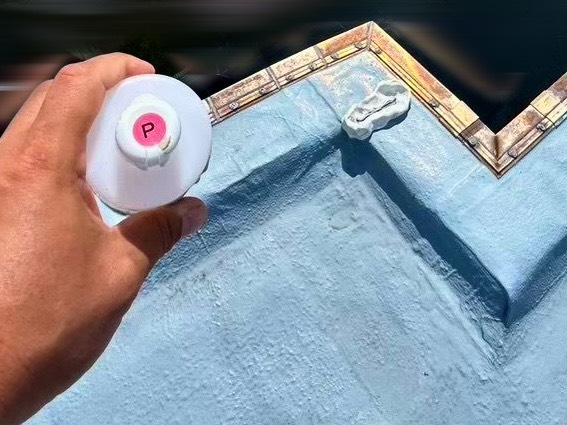
Your property may look fine all winter—then start leaking when the snow begins to melt.
For foreign owners of resorts, ski lodges, hotels, vacation rentals, and Airbnb properties in Japan, a roof leak can quickly become more than a repair problem. It can stop bookings, damage guest rooms, create poor reviews, and leave you searching for a reliable local specialist from overseas.
Kenou Renovation receives enquiries from foreign property owners who have purchased older buildings in Japan but do not yet have a trusted connection for roof inspections or leak investigations. We support properties across Japan, from Hokkaido to Okinawa.
The short answer
- A spring roof leak in a snowy area may be caused by melting snow and an ice dam, not only by rain.
- In Japan, this snow-related leak is often called sugamori (すが漏れ).
- Older investment properties may have several possible water-entry routes, so repairs should start with investigation—not guesswork.
- Foreign owners need a specialist who can explain the findings clearly and provide a written report.
- Kenou Renovation provides preventive rooftop waterproofing inspections and performance-based leak investigations nationwide.
Why foreign property owners in Japan often struggle with roof leaks
Buying an older hotel, lodge, pension, villa, or vacation rental can be an attractive way to invest in Japan. However, many owners do not have an established network of local roofers, waterproofing contractors, or leak-investigation specialists.
When a leak starts, the owner may be outside Japan, the property manager may not know the cause, and a general repair company may recommend work before the water-entry route has been confirmed. Language and distance can make every decision harder.
The safest first step is to identify the likely entry point and water path before deciding on the repair method.
A connection that often starts on the ski slopes
Our company president is a passionate snowboarder. Through time spent in Japan’s snow resorts, he has become friends with foreign lodge and accommodation owners. When the conversation turns to work and property maintenance, many owners say the same thing: they do not know who to call when a Japanese property develops a roof leak.
Several of those conversations have led to real inspections and repair projects. This experience showed us that foreign owners are not looking only for a contractor. They need a reliable local connection who can investigate the problem, explain it clearly, and support the property after the inspection.
What is sugamori? Japan’s snowmelt roof leak
Sugamori is a Japanese term used for a roof leak associated with snowmelt and ice accumulation. Heat from the building or warmer daytime temperatures can melt snow on the roof. Water flows toward a colder roof edge, where it may freeze again and form an ice dam. Meltwater can then collect behind the ice and enter beneath roofing materials or through vulnerable joints.
Japan’s Ministry of Land, Infrastructure, Transport and Tourism describes sugamori as a condition in snowy regions where an “ice dam” at the eaves blocks snowmelt water and causes water accumulation. Japanese building research also notes that heat escaping into the roof space can contribute to ice-dam leakage.
Important: a leak that appears in spring may not occur during ordinary rain, so a quick visual check on a dry day may miss the real cause.
Signs your resort or rental property needs an inspection
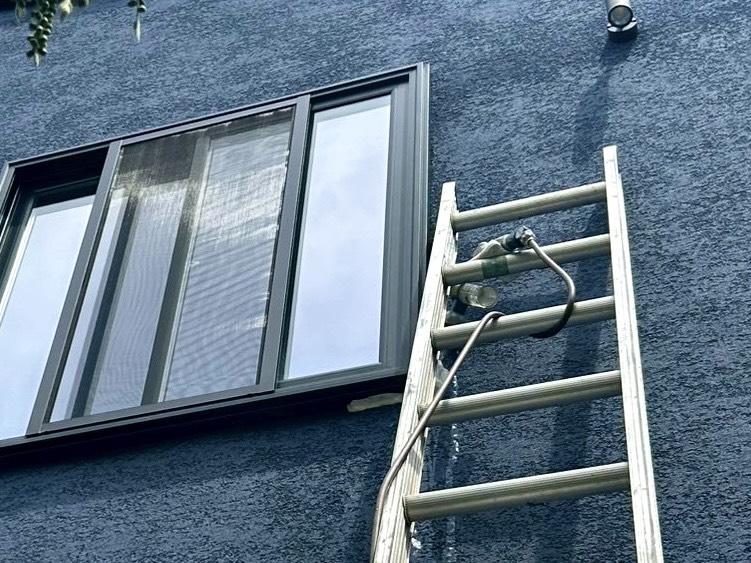
- Water stains appear after snow begins to melt.
- The leak happens in spring but not during normal rainfall.
- Icicles or thick ice repeatedly form around the eaves.
- Ceilings, walls, window areas, or roof spaces smell damp.
- Paint, wallpaper, timber, or plaster begins to discolor or swell.
- An older repair was completed, but the leak returned.
- The property was purchased without a clear roof-maintenance history.
- A guest room or high-value unit is located directly below the roof.
Why guessing the repair can cost more
The visible stain is not always directly below the water-entry point. Water can travel along roof underlay, timber, steel members, pipes, and wall cavities before it appears indoors.
Replacing a wide area without identifying the route may increase costs and still leave the original problem unresolved. For an operating accommodation business, repeated work can also mean additional room closures, guest disruption, and lost revenue.
That is why Kenou Renovation separates two services:
- No active leak: preventive rooftop waterproofing inspection.
- Active or recurring leak: performance-based water-leak investigation to locate the cause and entry route.
Preventive rooftop waterproofing inspection
You do not need to wait for a guest room to start leaking. A preventive inspection gives owners and property managers a clearer picture of the current roof or rooftop waterproofing condition and helps them plan maintenance before urgent damage occurs.
Inspection fee and service area
- Kanto region: JPY 55,000 including tax and transportation.
- Outside the Kanto region: JPY 55,000 including tax, plus actual transportation and accommodation expenses.
- Service area: Nationwide, from Hokkaido to Okinawa.
- Report: A written diagnostic report is provided promptly after the inspection.
If your property is already leaking
If water is already entering a guest room, corridor, restaurant, storage area, or staff space, a preventive inspection alone may not be enough. The priority is to investigate the actual water-entry route.
Kenou Renovation provides a performance-based leak-investigation service. We investigate the cause and then discuss the repair method that matches the findings. We do not claim that every leak has the same cause, and we do not recommend a repair method before considering the building conditions.
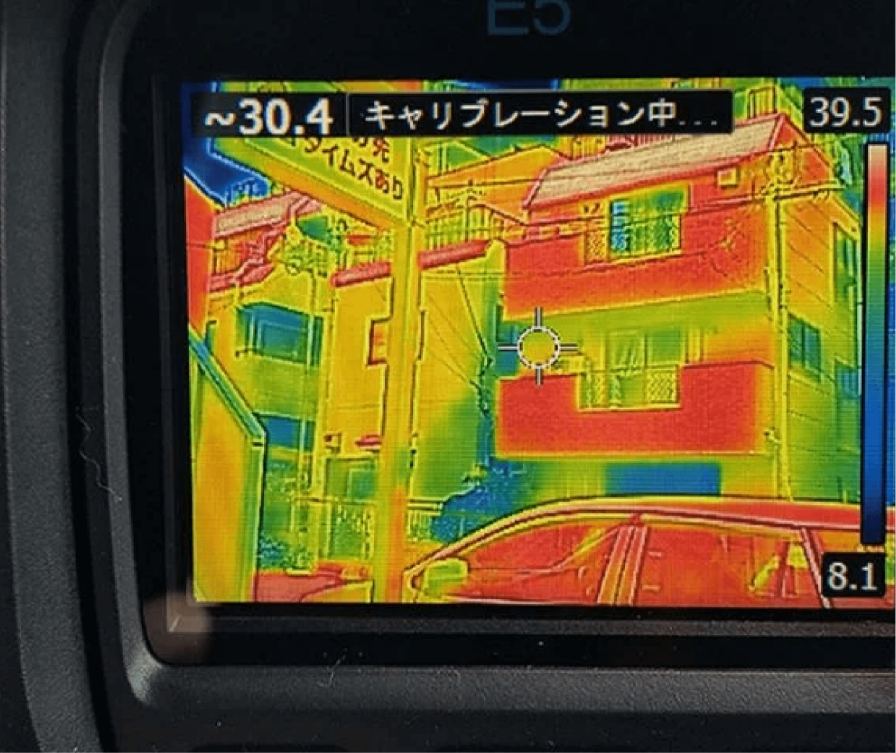
Why work with Kenou Renovation?
- Support for hotels, lodges, villas, vacation rentals, apartments, and other large properties.
- Preventive inspections before a leak and detailed investigations after a leak.
- Nationwide service across Japan.
- A written report that can be shared with owners, managers, and business partners.
- Support from investigation through repair and waterproofing work.
- Practical experience with foreign-owned accommodation properties in Japanese resort areas.
Frequently asked questions
Can you help if I live outside Japan?
Yes. We can coordinate with the owner, local property manager, or accommodation operator. The available process depends on the property location and access arrangements.
Do you inspect Airbnb and vacation-rental properties?
Yes. We support hotels, inns, ski lodges, villas, vacation rentals, and other accommodation properties. Airbnb is a booking platform; the inspection applies to the building itself.
Does a spring leak always mean sugamori?
No. Snowmelt and ice dams are one possibility. Roofing damage, failed waterproofing, flashing, walls, windows, pipes, and other routes may also be involved. The cause should be investigated before repair.
Can I ask for an inspection even if there is no leak?
Yes. Preventive rooftop waterproofing inspections are designed for properties without an active leak.
Do you work outside major cities?
Yes. We provide nationwide support, including Japanese snow-resort and regional accommodation areas. Transportation and accommodation expenses apply outside the Kanto region.
Will I receive a report?
Yes. A written diagnostic report is provided promptly after a rooftop waterproofing inspection.
Do not wait for the next guest-room closure
A small stain can become a closed room, damaged interior, cancelled booking, or negative review. For foreign owners, the problem becomes even harder when there is no trusted local specialist to call.
If you own an accommodation or investment property in Japan, contact us before the damage spreads. We can help you understand whether you need a preventive inspection or a leak investigation.
Own a hotel, lodge, resort, or Airbnb property in Japan?
Talk to a Japanese roof-leak and waterproofing specialist before a small problem affects your bookings.
References
- Ministry of Land, Infrastructure, Transport and Tourism: Appropriate Maintenance of Government Wooden Buildings
- National Institute for Land and Infrastructure Management: Research on Wooden Building Durability and Ice-Dam Leakage
- Japan Meteorological Agency: Snowmelt and precipitation terminology
- National Research Institute for Earth Science and Disaster Resilience: Roof-snow safety information
Information reviewed on August 2, 2026. Every building and leak is different. An on-site assessment may be required before the cause or suitable repair method can be determined.